The Receipt Nobody Reads: What Your Prescription Actually Costs When You Skip the Copay Card
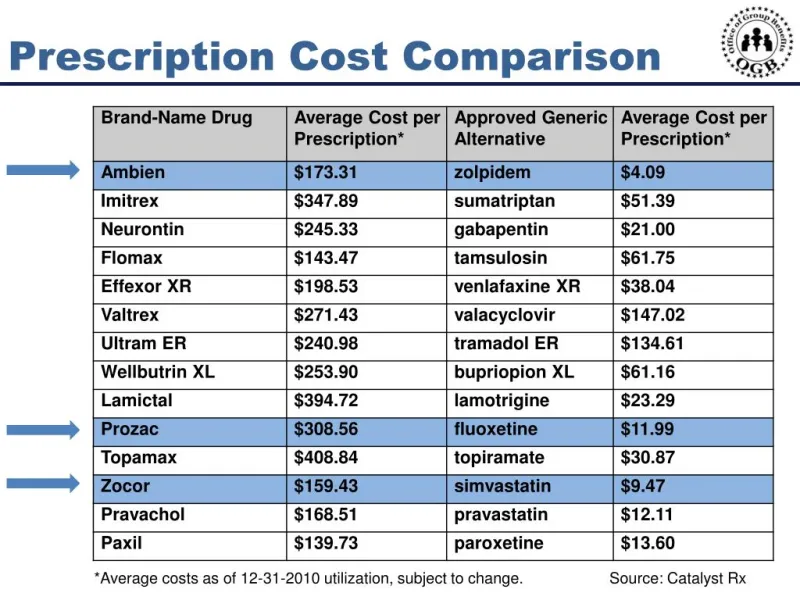
Photo: pharmacy prescription receipt price comparison calculator, via image.slideserve.com
Here's a scene that plays out at pharmacy counters across the country every single day: a patient hands over their insurance card, pays a $35 copay, and walks out never knowing the cash price of that same medication was $12. Or the reverse — someone pays $90 out of pocket for a drug their insurer would have covered for $10, simply because nobody told them to run the numbers first.
The pricing system for American prescriptions is genuinely confusing, and that confusion costs people real money. Let's pull it apart.
The Four Prices of Every Prescription
Almost every medication in the US has at least four potential price tags attached to it:
- The insurance copay — what your plan charges you after it negotiates with the manufacturer and the pharmacy.
- The cash (or retail) price — the pharmacy's sticker price with no middlemen involved.
- The discount card price — negotiated rates from third-party cards that act like a group-buying club.
- The legitimate online pharmacy price — often the cash price minus the overhead savings of not running a strip-mall storefront.
The wild part? None of these numbers talk to each other. A copay can be higher or lower than the cash price for the exact same bottle.
A Real-World Comparison
We looked at typical pricing patterns for a dozen common generics — think atorvastatin (cholesterol), lisinopril (blood pressure), metformin (diabetes), sertraline (depression and anxiety), and amoxicillin (antibiotics). The pattern is remarkably consistent:
- Older, ultra-common generics: Cash prices at reputable online pharmacies often land between $5 and $15 for a 90-day supply. An insurance copay for the same fill? Frequently $10 or more — sometimes three or four times the cash price.
- Mid-tier generics: Prices converge. Insurance and cash usually land within a few dollars of each other, and a discount card might shave off a bit more.
- Brand-name drugs and newer generics: This is where insurance earns its keep. A $400 brand medication might carry a $47 copay with coverage versus the full cash price without it. Discount cards help, but rarely close a gap that wide.
So When Does Paying Cash Actually Win?
Plain-English rule of thumb: if your generic is cheap and old, cash often beats your copay. If it's brand-name, specialty, or expensive, insurance almost always wins.
There's a second reason cash matters more than people realize: paying without insurance sometimes means the transaction doesn't touch your deductible or count against your plan's tracking systems. For people on high-deductible health plans, that can be a genuine strategic advantage — though it's worth confirming the details of your own plan.
One more wrinkle: pharmacists can't always volunteer the comparison. Some pharmacy chains have policies restricting staff from mentioning when cash is cheaper. Asking directly is on you.
The Refill-Day Checklist
Print this or screenshot it. Before you pay for your next prescription:
- Ask the pharmacist: "What's the cash price without my insurance?"
- Run the same drug through a discount card app or two — takes 90 seconds.
- Check the price at a licensed online pharmacy, including shipping.
- Compare the 90-day supply price, not just 30 days. Maintenance meds are usually much cheaper per dose in bulk.
- Ask: "Is there a generic version?" Brand-to-generic switches can cut costs 80% or more.
- If you have a high-deductible plan, ask whether the cash purchase counts toward your deductible — and whether you want it to.
- Verify any online pharmacy is licensed (look for NABP accreditation or a .pharmacy domain) before you order.
The Bottom Line
Nobody's telling you to abandon your insurance. For expensive medications, coverage is the whole ballgame. But for the everyday generics that millions of Americans refill every month, the cheapest path sometimes runs straight past the copay window. Five minutes of comparison shopping — the same instinct you'd use on a flight or a TV — is the difference between overpaying and not.
At PharmacyRx24, we always recommend confirming prices with your own plan and pharmacist, because your specific coverage details will shape the math. But walk in with the checklist, ask the questions, and keep the receipt you actually understand.