We Bought the Same 5 Generics Twice — Once at Noon, Once at Midnight. The Receipts Tell a Story.
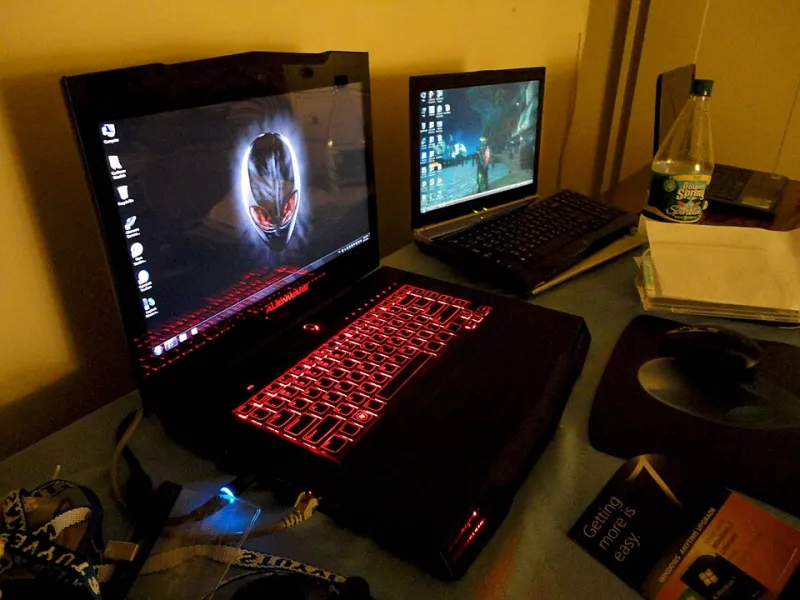
Photo: Gesalbte, Public domain, via Wikimedia Commons
Here's a question we couldn't stop thinking about: does the clock matter when you buy a prescription?
On paper, it shouldn't. A tablet of atorvastatin doesn't know what time it is. But pharmacies aren't vending machines — they're staffed by people, governed by systems, and priced by algorithms that may or may not care whether the sun is up. So we ran an experiment. We shopped for the same five common generics twice: once at noon on a Tuesday, once at midnight that same night. Same items, same quantities, same comparison framework. What we found surprised us — and confirmed a few suspicions.
The Shopping List
We picked five generics that millions of Americans fill regularly:
- Atorvastatin (cholesterol)
- Lisinopril (blood pressure)
- Metformin (type 2 diabetes)
- Sertraline (depression/anxiety)
- Levothyroxine (thyroid)
For each, we requested a 30-day supply at standard dosing. We compared four channels: a national chain's local store, the same chain's website, a mail-order online pharmacy, and a discount card price as a benchmark. We did not upload actual prescriptions — this was a pricing and process audit, not a purchase.
The Comparison Table
| Channel | Noon Price (30-day, cash) | Midnight Price (30-day, cash) | Delivery/Pickup Estimate | Pharmacist Chat at Time of Order |
|---|---|---|---|---|
| Local chain store | $18–$32 per med | Closed | Same-day pickup | In person, 5-min wait |
| Chain website | $14–$28 per med | Identical to noon | 3–5 business days | Async form, reply by morning |
| Mail-order online pharmacy | $11–$24 per med | Identical to noon | 2–4 business days | Live chat, answered in 6 min at midnight |
| Discount card benchmark | $9–$20 per med | Identical to noon | N/A (in-store only) | N/A |
Finding #1: Midnight Doesn't Cost More — Usually
The headline result: online prices did not change between noon and midnight. Not a cent. The algorithms that price generic medications apparently don't run on circadian rhythms. If a site quotes you a higher price at 2 a.m., that's a red flag about the site, not the hour.
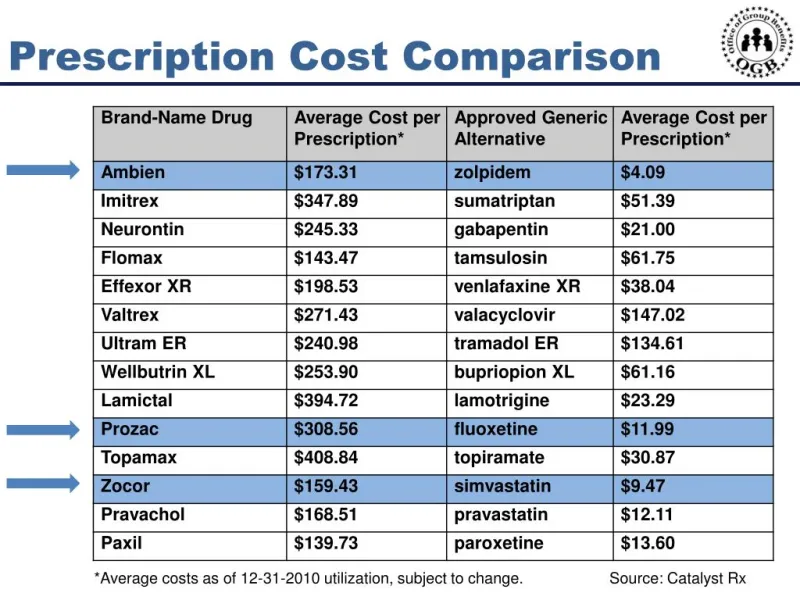
The real cost difference was between channels, not times. The mail-order pharmacy beat the local chain's cash price on every item, typically by $4–$8 per medication, and the discount card beat both in most cases. The lesson isn't 'shop at night.' It's 'shop around, whenever you like.'
Finding #2: What You Give Up at Midnight Is Human, Not Financial
At noon, the local chain answered our questions in about five minutes. At midnight, the live chat at the mail-order pharmacy responded in six — staffed, presumably, by pharmacists on the other side of the world or on overnight shifts here. The chain's website, by contrast, offered only a contact form with a 'reply within 24 hours' promise.
So the midnight experience splits into two tiers: services built for 24/7 operation answered immediately, while services built for daytime hours simply went dark. Neither is a scam. But if you're starting a new medication with questions about timing, side effects, or interactions, an async form is a meaningfully worse experience than a live human.
Finding #3: Verification Steps Varied Wildly — This Is the Part That Matters
Here's where the experiment turned from price comparison into a safety audit. We deliberately tested how each channel handled the requirement for a valid prescription.
The legitimate channels all behaved the same way: they refused to proceed without one. Full stop. The chain's website asked for our prescriber and pharmacy account. The mail-order pharmacy required an upload or a transfer from an existing pharmacy before quoting a final, orderable price.
But in the course of our research, we also stumbled across sites — not among our four test channels — that offered to 'provide an online consultation' and ship the same day, no prescription required, payment via cryptocurrency. At midnight, these sites were, unsurprisingly, wide awake and advertising aggressively.
That's the real midnight trap. It's not that legitimate prices go up after dark. It's that illegitimate ones get easier to find, because the overnight hours are when people are most desperate, most isolated, and least able to call their doctor's office to double-check something that feels off.
The Verdict: When Late-Night Ordering Costs You More Than Money
Ordering at midnight from a licensed, prescription-verified pharmacy costs you nothing extra — same price, same product, often faster answers than the local counter. Ordering at midnight from a site that skips the prescription requirement costs you everything: your money, potentially your health, and certainly your data.
So here's the framework we'd suggest. Before any late-night checkout, run through this:
- Does the site require a prescription before it will finalize the order? If not, close the tab.
- Is it licensed and VIPPS-accredited or verifiable through the NABP? Check before, not after.
- Can you reach a pharmacist — live or async — with a real answer time?
- Does the price match what you found during business hours? If it's suddenly cheaper at 2 a.m., ask why.
The clock doesn't change what a medication costs. It changes who's awake to sell it to you — and whether they're asking the right questions first.