Your Pills Didn't Make the Flight: A Traveler's Guide to Meds, Borders, and 2 A.M. Saves
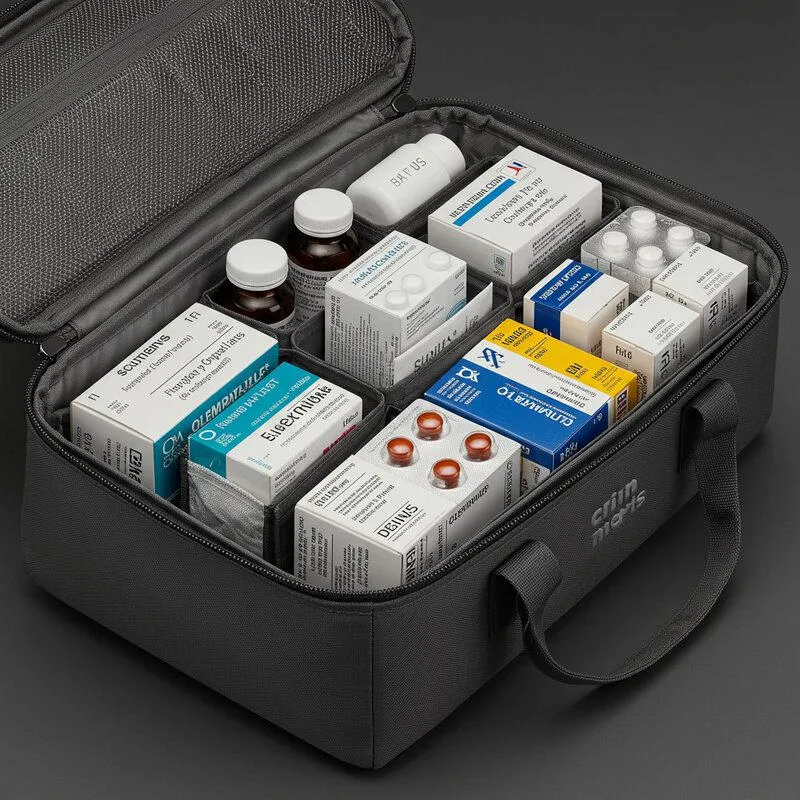
Photo: traveler packing prescription medication pill bottles into carry-on suitcase airport, via cdn.travelbuss.com
Picture this: you're three days into a beach week in Cancún, you open your toiletry bag, and the blister pack of blood thinners you swore you packed is sitting on your kitchen counter in Ohio. It happens more than you'd think — and what you do in the next hour matters a lot more than the panic.
Whether you're heading to Miami for spring break or flying to Denver for a client meeting, traveling with prescription medication in the US (and beyond) has rules, rhythms, and a few traps worth avoiding. Let's walk through it.
Why Traveling on Meds Needs a Game Plan
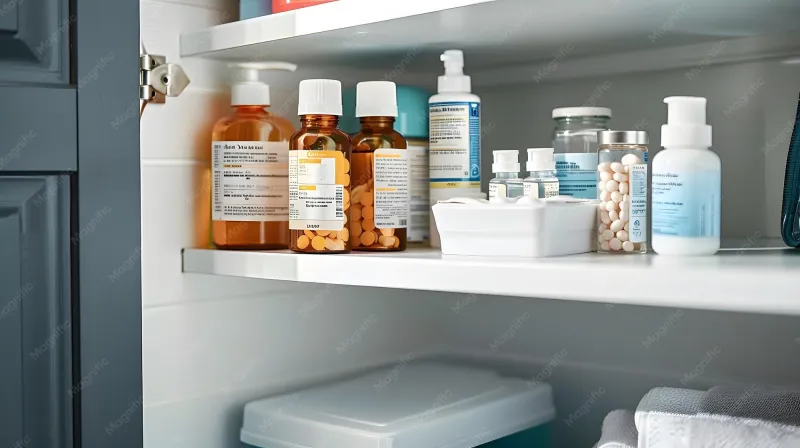
At home, your medication routine runs on autopilot. The bottle lives in the cabinet, the refill shows up on schedule, and you never think about it. Travel breaks all of that at once: new time zones, different meal schedules, limited access to a pharmacy you know, and — if you cross a border — a whole new set of customs questions.
For everyday meds like statins or blood pressure pills, a missed day or two usually isn't catastrophic. But for blood thinners, seizure medications, insulin, or immunosuppressants, the stakes climb fast. That's why the planning matters.
Carry-On or Checked Bag? Always Carry-On.
This is the golden rule, and it's non-negotiable: your medications go in your carry-on, every single time.
Checked bags get lost, delayed, rerouted, and occasionally sent to the wrong country. A suitcase that lands in Seattle when you landed in Orlando is an inconvenience; a suitcase with your seizure meds in it is a medical problem.
A few TSA-specific pointers for US travelers:
- Pills don't need to be in original containers for domestic flights, but keeping them in labeled pharmacy bottles makes life easier if anyone asks questions.
- Liquids over 3.4 ounces are allowed in carry-on in reasonable quantities for your trip — insulin, liquid meds, and eye drops are exempt from the standard liquids rule, but tell the TSA officer at screening.
- Medical devices and supplies (CPAP machines, syringes, EpiPens) are also permitted in carry-on. Syringes are allowed when accompanied by the injectable medication.
- Keep a copy of your prescriptions or a doctor's note handy, especially for controlled substances like ADHD medications or certain pain relievers. You probably won't need it at a domestic checkpoint, but it takes two minutes to print.
Crossing a Border? The Rules Change
Flying to Cancún or taking a cruise to the Bahamas? Now you're dealing with another country's drug laws, and they can be surprisingly strict.
A few things worth knowing:
- Controlled substances get the most scrutiny. Some medications that are routine in the US — certain sleep aids, stimulants, and opioid painkillers — are restricted or outright banned elsewhere. Japan and the UAE, for example, have famously strict rules. Check the destination country's embassy website before you book.
- Keep everything in original, labeled containers. Customs agents abroad are less forgiving of unlabeled pill organizers than TSA.
- Carry a doctor's letter stating the medication, dosage, and that it's prescribed to you. It sounds old-fashioned, but it resolves most questions in under a minute.
- Pack for the whole trip plus a buffer. Running out mid-trip and trying to fill a US prescription overseas ranges from annoying to impossible, depending on the drug.
Refill Timing: Do the Math Before You Pack
Here's a mistake that sneaks up on people: your refill falls in the middle of your vacation, and your pharmacy's automatic refill gets stuck because you're out of the delivery zone — or you simply forgot to request it early.
Most US insurers and pharmacies will allow a vacation override or early refill if you ask. Call or message your pharmacy about a week before departure and say the words "I need a vacation supply." For a two-week trip, request at least two weeks of meds plus a few extra days of buffer. Delays happen, and flights get canceled.
If your pharmacy can't accommodate it, your prescriber can often send a new prescription to a pharmacy near your destination — or, increasingly, to a licensed online pharmacy that ships to where you'll be staying.
Forgot Your Meds Mid-Trip? Here's the Rescue Playbook
Okay, so it happened. The pills are on the kitchen counter and you're 1,200 miles away. Don't spiral — work the problem:
- Call your home pharmacy first. Many chain pharmacies can transfer your prescription to a local branch near your hotel the same day. If you use a 24/7 online pharmacy, you may be able to get the order moving at 2 A.M. local time instead of waiting for a storefront to open.
- Contact your prescriber if a transfer isn't possible. Telehealth has made this dramatically easier — a quick video visit can produce a new prescription sent electronically to a pharmacy in your destination city.
- Check whether a local pharmacy can help without a transfer. Some states allow pharmacists limited emergency dispensing for certain maintenance medications, though rules vary.
- Know which meds are truly urgent. If it's a blood thinner, insulin, or seizure med, treat it as same-day urgent. If it's a cholesterol pill, a couple of missed days is a call-your-doctor-when-you're-home situation.
The round-the-clock availability of online pharmacy services is genuinely useful here — a lot of travel medication emergencies happen at night, after local pharmacies close, when you've just realized what you forgot.
Your Pre-Travel Medication Checklist
Print this, screenshot it, tape it to your suitcase. Whatever works.
- Count out enough medication for the whole trip plus 3–5 extra days
- Request a vacation override or early refill if needed (at least 7 days before departure)
- Keep all meds in original labeled containers
- Pack everything in your carry-on, never checked luggage
- Bring a written or digital copy of prescriptions
- Get a doctor's letter for controlled substances or international travel
- Verify your meds are legal at your destination (embassy website)
- Save your pharmacy's contact info and your prescriber's number in your phone
- Note the generic names of your meds — brand names differ by country
- Pack meds in a separate pouch so they're easy to grab at security
The Bottom Line
Traveling with prescription medication doesn't require luck — it requires ten minutes of planning and a backup plan you hope you never use. Pack the carry-on, do the refill math early, and know how you'd replace a dose if the worst happens. Your future self, relaxing on a beach instead of frantically googling "pharmacy open now" at midnight, will thank you.