Leftover Prescriptions Are the Clutter Nobody Talks About — Here's How to Clear Them Out Safely
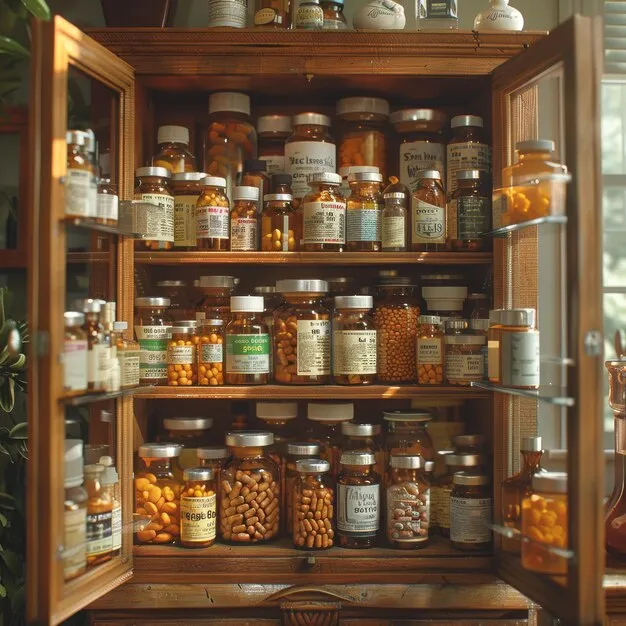
Photo: overflowing medicine cabinet with old prescription bottles, via img.freepik.com
Open the medicine cabinet of an average American home and you'll find a small archaeological dig. A bottle of amoxicillin from a sinus infection in 2021. Half a pack of muscle relaxants from that back injury. A blood pressure med your doctor replaced with something 'better tolerated' two years ago — the old bottle never left.
We're a nation of prescription pack rats, and it's easy to see why. Nobody hands you disposal instructions at pickup. You paid good money for those pills. And tossing them in the trash feels wrong, somehow, like throwing out a receipt you might need.
But that quiet accumulation comes with real costs — some obvious, some less so.
Why the Stash Is Riskier Than It Looks
Start with the most immediate danger: leftovers of opioids and other controlled substances. The CDC has repeatedly flagged unused prescription painkillers as a major source of accidental exposure — for kids who find a colorful bottle, for teens experimenting, for houseguests with their own habits. Keeping a bottle 'just in case' is one of the most common ways a household ends up with a diversion problem it never saw coming.
Then there's the confusion factor. Expired antibiotics sitting next to your current prescription is a setup for a 2 a.m. mix-up, especially in homes where multiple people take multiple medications. Old pills don't just stop working — some degrade into compounds you don't want in your body, and taking an outdated med instead of the right one can delay real treatment.
Finally, there's the inventory problem. When your pharmacist or doctor asks what you're currently taking, that graveyard of discontinued bottles makes it harder to give an honest answer. Drug interactions are calculated based on what you actually swallow, and a crowded cabinet increases the odds of a dangerous overlap.
The Right Way to Get Rid of Them
The DEA runs National Prescription Drug Take Back Day twice a year — typically in April and October — with thousands of collection sites at police stations, pharmacies, and community centers across the country. Many Walgreens, CVS, and independent pharmacy locations also keep permanent drop-off kiosks year-round. A quick search on the DEA's site or a call to your local pharmacy will find the nearest one.
If a take-back option isn't practical, the FDA's fallback guidance for most medications is simple: mix the pills with something unappealing — used coffee grounds, cat litter — seal the mixture in a bag or container, and put it in the trash. A few select drugs (certain potent opioids among them) are still on the FDA's flush list, but that list is short and specific. When in doubt, take-back beats flushing.
One more thing before anything leaves the house: scratch out or black out the personal information on the label. Prescription bottles with your name and RX number are a small but real identity-theft vector, especially if you're tossing them in a curbside bin.
Pruning the List — Not Just the Cabinet
Here's the part most people skip: disposal is only half the job. The other half is figuring out what actually belongs in your routine now.
That's where a medication review comes in. Many online pharmacies offer this as part of their pharmacist consultation — a chance to walk through everything you're taking, flag what's expired or duplicated, and catch interactions you didn't know about. It's the same conversation you'd have at a good neighborhood counter, just scheduled around your life instead of store hours.
A useful review will typically catch:
- Duplicates — two drugs in the same class from different prescribers
- Orphans — meds for conditions you no longer have
- Expired stock — anything that's been sitting past its date
- Interaction risks — including over-the-counter stuff and supplements you didn't think to mention
If you're managing medications for an aging parent or juggling prescriptions from multiple doctors, this kind of audit is less a nice-to-have and more a necessity.
Make It a Habit, Not a Project
The medicine cabinet didn't fill up overnight, and it won't stay clean on good intentions alone. A simple rhythm works: once a year — maybe around daylight saving time or the new year — pull everything out, check dates, and bag up the dead weight for your next take-back trip.
Your future self, reaching for the right bottle at the right dose, will be grateful. So will the teenager who never finds the opioid you finally let go of.