Is Your Medicine Cabinet on Autopilot? The Quiet Case of Prescription Inertia
Photo: Harris & Ewing, photographer, Public domain, via Wikimedia Commons
There's a moment that plays out in medicine cabinets across America every single day. A bottle of something — a sleep aid, an acid reflux pill, maybe a statin started 'just to be safe' — sits there getting refilled like clockwork. Nobody asked for it. Nobody questioned it. It just... keeps coming.
Pharmacists have a name for this: prescription inertia. It's what happens when the friction of getting a medication drops to zero and the friction of rethinking it stays high. And in an era where you can reorder a 90-day supply from your phone at 3 a.m. in your pajamas, inertia has never been easier to fall into.
The Autopilot Problem
Let's be clear up front: auto-refill programs save lives. For someone managing diabetes, heart failure, or a psychiatric condition, the difference between a filled prescription and a missed one can be a hospital stay. Studies on medication adherence consistently show that making refills easier improves outcomes for chronic conditions.
But the same convenience cuts both ways. Medications that were meant to be short-term — a three-month course for acid reflux, a sleep aid after a stressful year, an antidepressant started during a rough patch — can quietly roll forward for years simply because nobody ever hit the stop button.
"I see it all the time," one retail pharmacist told us, describing patients who arrive for their annual review with a refill list twice as long as their actual diagnosis list. "The question I ask is: if we were starting from scratch today, would we still start this medication? Sometimes the answer is yes. Sometimes it's a long pause."
That long pause is where the trouble lives. Every medication has a reason it was prescribed, a dose that made sense at the time, and a patient whose health may have changed since. Conditions improve. Other drugs get added that interact with old ones. Insurance formularies shift. Bodies age and metabolize differently. The prescription that was right in 2022 may not be right now — but autopilot doesn't know that.
Why Nobody Hits Stop
If inertia is so common, why does it persist? A few reasons stack up:
- The doctor assumed the pharmacy would flag it. The pharmacy assumed the doctor was still monitoring it. Classic diffusion of responsibility.
- Refills are easier than appointments. Reauthorizing or discontinuing a medication often requires a visit, a prior auth, or at least a phone tree. Reordering takes one tap.
- Stopping feels riskier than continuing. And to be fair, sometimes it is — which is exactly why the conversation matters, not the silent default.
- Nobody's paying attention to the quiet meds. The flashy new prescription gets discussed. The one you've taken for six years doesn't come up anymore.
The result is what one patient described to us as "a subscription I never signed up for." She'd been refilling a proton pump inhibitor for four years after a bout of gastritis. When a new provider finally asked why, she didn't have an answer. Neither, it turned out, did anyone else.
The Annual Med Audit: A Checklist
You don't need to distrust your prescriptions to audit them. You just need to treat them like anything else you pay for monthly — worth a periodic look. Once a year, pull every bottle out of the cabinet and ask:
- What is this for, specifically? If you can't answer, that's the first flag.
- Was it prescribed as short-term? Antibiotics, PPIs, sleep aids, steroids, and some pain medications often have intended end dates.
- Has the reason for taking it changed? Weight loss, lifestyle changes, or a resolved condition can change the math.
- Am I still seeing the prescriber who started it? Meds outlive doctor relationships more often than you'd think.
- Any new symptoms? Fatigue, brain fog, dizziness, or stomach issues can sometimes trace back to a long-standing medication.
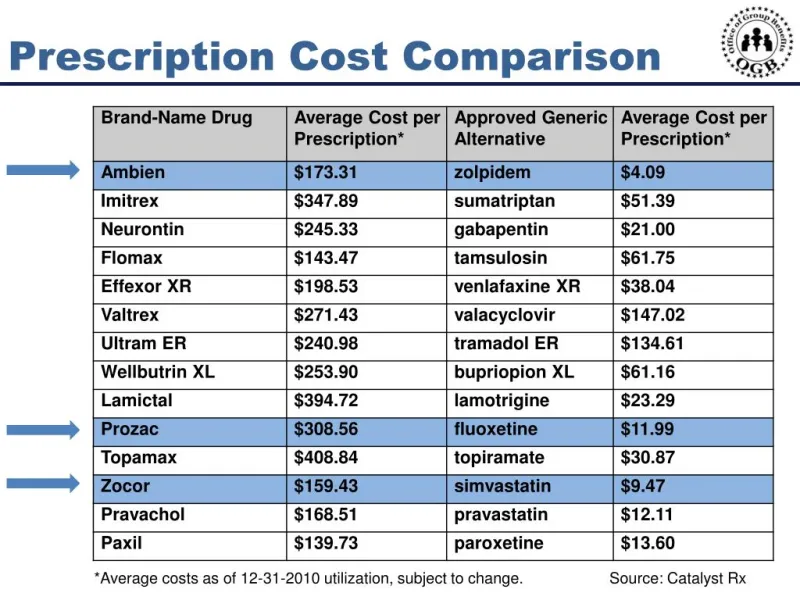
- What's the total cost? Add it up. Even small copays become real money over years of inertia.
- When was my last full medication review? If the answer is "never" or "I don't remember," book one.
Bring the list — or just the bottles in a bag — to a pharmacist or your primary care provider. A comprehensive medication review, sometimes called a 'brown bag review,' is a standard service and often free.
How to Stop Safely (If Stopping Is Right)
One thing you should never do: quit cold turkey on your own. Plenty of medications — antidepressants, blood pressure drugs, benzodiazepines, beta blockers, even some acid reducers — can cause rebound symptoms or withdrawal effects if stopped abruptly. Some, like statins or thyroid medications, may genuinely be lifelong, and that's fine.
The responsible path looks like this:
- Ask, don't assume. Start with: "Do I still need this? What's the plan for eventually stopping it?"
- Taper when told to. Many drugs require gradual dose reduction under supervision.
- Set an end date. For short-term meds, put a stop date on the calendar when you start them.
- Use your pharmacist. They can run interaction checks and flag meds that have outlived their original purpose — no appointment required.
Convenience Should Serve You, Not the Other Way Around
We built PharmacyRx24 around the idea that access shouldn't depend on business hours. But access is a tool, not a autopilot. The best pharmacy experience isn't the one where refills happen invisibly forever — it's the one where the right medications arrive on time, the wrong ones eventually don't, and a real human helps you tell the difference.
So this week, do one small thing: open the medicine cabinet and read the labels. Then ask the question nobody's asked in a while — why am I still taking this? If the answer is good, refill with confidence. If it's a shrug, that's your cue to make a call.
Your future self — the one not paying for, and potentially reacting to, a prescription that quietly outlived its purpose — will thank you.