Schedule II Doesn't Do Instant Checkout: A Grown-Up's Guide to Controlled Substance Refills Online

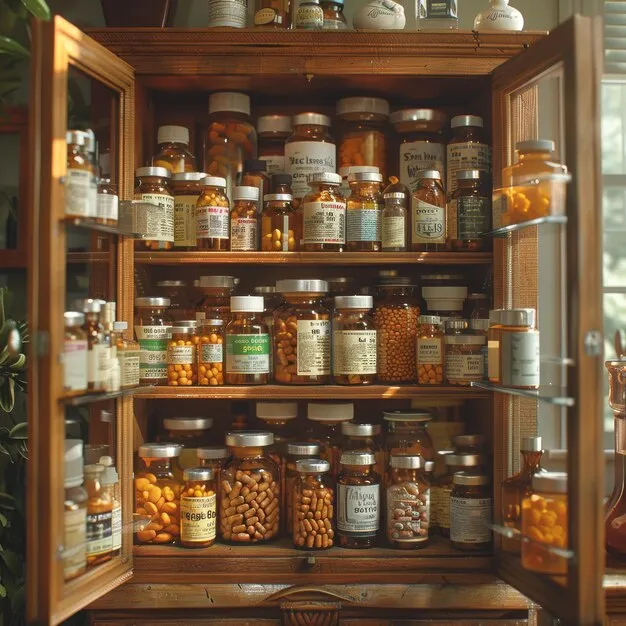
Photo by Photo by Jonas Leupe on Unsplash on Unsplash
At 1:47 in the morning, everything in the cart looks fine. The strength matches the bottle in your kitchen. Your insurance is on file. Then you hit checkout on a Schedule II stimulant and the screen goes sideways: a request for a photo ID, a selfie, an address that has to match the prescription, and a polite note that the order won't move until someone reaches your prescriber. None of that is a glitch. And none of it is a reason to go hunting for a website that promises to skip the steps.
Why the checkout looks so different for a controlled substance
An ordinary generic — lisinopril, metformin, levothyroxine — moves through an online pharmacy the way a pair of sneakers moves through a store. A valid prescription arrives, a licensed pharmacist verifies it, the label prints, the box ships.
Controlled substances travel in a different lane. Federal law sorts them into schedules, and Schedule II sits at the strict end: most ADHD stimulants (amphetamine salts, methylphenidate and their cousins), a short list of pain medications, and a few others. The practical fallout for a customer at 2 a.m. looks like this:
- No refills, period. A CII prescription covers one fill. More medication means a brand-new order from your prescriber, every month, forever.
- Identity verification. Because these drugs carry real diversion and misuse risk, the pharmacy has to be reasonably sure the person receiving the package is the person named on the label. That's the ID upload and the matching address.
- Quantity limits. Plenty of states cap how many days' worth can be dispensed at once, so a 90-day supply may simply not be a thing where you live.
- State licensure. A pharmacy must hold a license in your state to ship a controlled substance to your address. If it doesn't, it has no business filling that order — no matter how polished the website looks.
- Prescriber checks. Our pharmacists confirm the prescriber's DEA registration and review prescription monitoring data before anything leaves the building.
Nobody designed these steps to be inconvenient. They exist because an untracked Schedule II bottle is precisely the product the sketchy corner of the internet was built to sell.
A realistic refill attempt, hour by hour
Here's what a legitimate order actually goes through once you hit submit.
Hour 0. You place the order. It lands in a queue flagged as controlled, which means it routes to a pharmacist rather than straight to a label printer.
Hour 1-4. Identity check. Your name, date of birth, and shipping address get compared against the prescription. If your package is going to a work address across town, expect a question — and expect to answer it.
Hour 4-12. The pharmacist verifies the prescriber, confirms the prescription is valid for your state, and checks whether it's too soon to fill based on the last fill date. Too soon isn't a judgment call; it's arithmetic plus a database.
Same day or next. If anything doesn't line up, the pharmacy contacts the prescriber's office. This is the step that eats the most time, because doctors' offices close and pharmacists work nights. A Friday evening order on a prescription that needs clarification may genuinely sit until Monday.
Then it ships, often with an adult-signature requirement.
If you've ordered from a real pharmacy before, that pace shouldn't surprise you. What surprises people is how often a fill gets held up by something small: a prescriber's fax number that changed, a DEA number that expired, an address typo.
Questions worth asking your prescriber before the window opens
A five-minute conversation at your appointment saves a week of back-and-forth later.
- Is your e-prescribing set up for controlled substances, and are you licensed in my state?
- What's the earliest date this next prescription can legally be filled?
- Can you send it to a specific pharmacy, and can you send it a few days ahead so it's queued and ready?
- What's the plan if the prescription is late, lost, or the pharmacy can't reach you?
- If I travel or move, how do we handle the state licensure piece?
Red flags that should end the conversation immediately
Every legitimate controlled-substance transaction involves a prescription from a licensed prescriber and a pharmacy licensed in your state. If a site offers to bypass either one, close the tab.
- "No prescription needed" or "online consultation, medication included." That's not convenience; that's a crime with a credit card form.
- Guaranteed approval on a Schedule II drug. Real pharmacies cannot promise that, because real pharmacists have to say no sometimes.
- Prices far below the cash price everywhere else, with urgency layered on top.
- Payment by crypto, wire, or gift card only.
- No pharmacist you can reach, no posted state license number, no physical address that survives a map search.
- Pressure to buy three to six months at once — especially for a drug that legally can't be refilled.
- Shipping from overseas with a promise that customs "won't be a problem."
The early-refill thing people misread
If your order gets held because you're three days early, that's not the pharmacy being stiff. Pharmacies report fills into prescription monitoring programs, and patterns of early fills are one of the signals that flag a patient for review — sometimes unfairly, but always consequentially. Ask your prescriber to write the fill date that matches reality, and build a small buffer into your calendar instead of testing the system.
Our pharmacists are awake at 3 a.m. anyway, which is the whole point of a pharmacy that never closes. But the convenience we're selling is being able to reach a real pharmacist at an absurd hour — not skipping the identity check. The bottles that arrive without one are the ones you don't want on your counter.